

The Trust Gap: Why Women’s Health Brands Win or Lose Online
The brands that connect those dots earn trust. The brands that add another tab lose it.
Executive summary
- Women are doing the work their healthcare should do. They piece care together from urgent care, apps, search, social feeds and supplements. The brands that connect those dots earn trust. The brands that add another tab lose it.
- The first visit is an audition. Most women come to telehealth with an urgent, often awkward need. How that moment feels decides whether she comes back when her needs get more complex.
- Continuity is the trust signal telehealth finds hardest to deliver. Providers rotate and networks shift, so the brand has to be the thing that stays the same, in its voice, its system and its memory of her.
- Candor beats both clinical coldness and wellness softness. Women trust brands that name things plainly, lead with confidence and then back it up with clear, evidence-based detail.
- Transparency is the new credibility, especially in GLP-1. Clear pricing, a straight talk about risks and discipline around claims are becoming the price of entry.
- The category is drowning in sameness. Soft palettes, generic "empowerment" language and interchangeable offers blur together. Distinctive design that still reads as credible is a real advantage.
- Education is the front door. In our work, creative that was educational, science-backed and led by symptoms has consistently been among the strongest performers. Content that helps her understand her symptoms builds authority in search and in AI answers.
Introduction: the stakes
Women's healthcare has moved online faster than the brands serving it have grown up. Telehealth made care faster and more private. It also created a crowded category of look-alike platforms, each promising access and empowerment in nearly the same words.
At the same time, the women these brands serve have become more discerning. They research. They compare. They have been dismissed before. For them, trust is not a nice-to-have brand attribute. It is the whole decision.
Over the past two years SMAKK has partnered with women's health and weight-management telehealth providers, including Wisp and Freya Meds, on brand strategy, positioning, messaging, visual identity, web experience and campaigns. This report distills what we learned across that work into category-level findings any digital health brand marketing to women can use.
Care is no longer coordinated. She is.
1. Women are coordinating their own care, and the brand that connects the dots wins
The defining feature of women's healthcare today is fragmentation. Traditional primary care is stretched thin, and women are filling the gaps with urgent care clinics, telehealth services, symptom-specific apps, supplements, podcasts, search results and social content. Many of them turn to these options because they are more accessible than the system that was supposed to serve them, not because they prefer them.
The result is that the patient has become the care coordinator. She is the researcher, the symptom tracker, the historian and the advocate. She re-explains her story to each new provider and tries to reconcile advice that often conflicts.
This is the biggest opening in the category. Women are not asking for another tool. They are asking for one credible partner that makes the whole thing less work.
By the numbers: 50% of women surveyed report skipping or delaying medical care, and women are 50% more likely than men to report skipping care because of long wait times. (Source: Deloitte, September 2024)
What this means for your brand
- Treat the fragmented system, not a rival brand, as the enemy in your story. Position your brand as the thing that removes work from her life.
- Audit your own experience for the same fragmentation. Separate logins, repeated intake forms and disconnected product lines undo the promise.
- Make continuity visible. Show how her history, prescriptions and plan live in one place.
The first visit is an audition, not a transaction.
2. The first visit is an audition, not a transaction
Most women don't come to telehealth looking for a "long-term care partner." They come with something urgent and often uncomfortable, like a UTI, a birth control refill or a symptom they would rather not discuss face to face. Speed, privacy and ease matter most in that moment.
Many brands optimize this entry point for conversion and stop there. That misses the bigger opportunity. That first encounter is where she decides whether this brand gets her, and whether it is worth coming back to when her needs get more complex, such as hormonal changes, a chronic condition or a new life stage.
A women's telehealth platform we partnered with had already grown far beyond its original acute-care offering. Yet the market still saw it as a niche problem-solver. The brand's job was to close the gap between what it actually offered and what women believed it offered. That meant designing the entry experience to point toward everything else it could do.
The brands that win here treat acute care as the first chapter. The story they tell goes from an urgent need, to relief, to trust, to broader care, to an ongoing relationship.
What this means for your brand
- Design your fastest, simplest service as a front door, with clear and low-pressure paths to what comes next.
- Tell stories that follow a journey, from the first visit to ongoing care, not just single product benefits.
- Measure how many patients move from one category to another and stay over time, not only first-purchase conversion.
3. Continuity is what telehealth struggles to promise, so the brand has to be the constant
Telehealth has a built-in tension. Patients want a human connection and continuity. Yet providers rotate, networks change and one-to-one relationships can't always be guaranteed at scale.

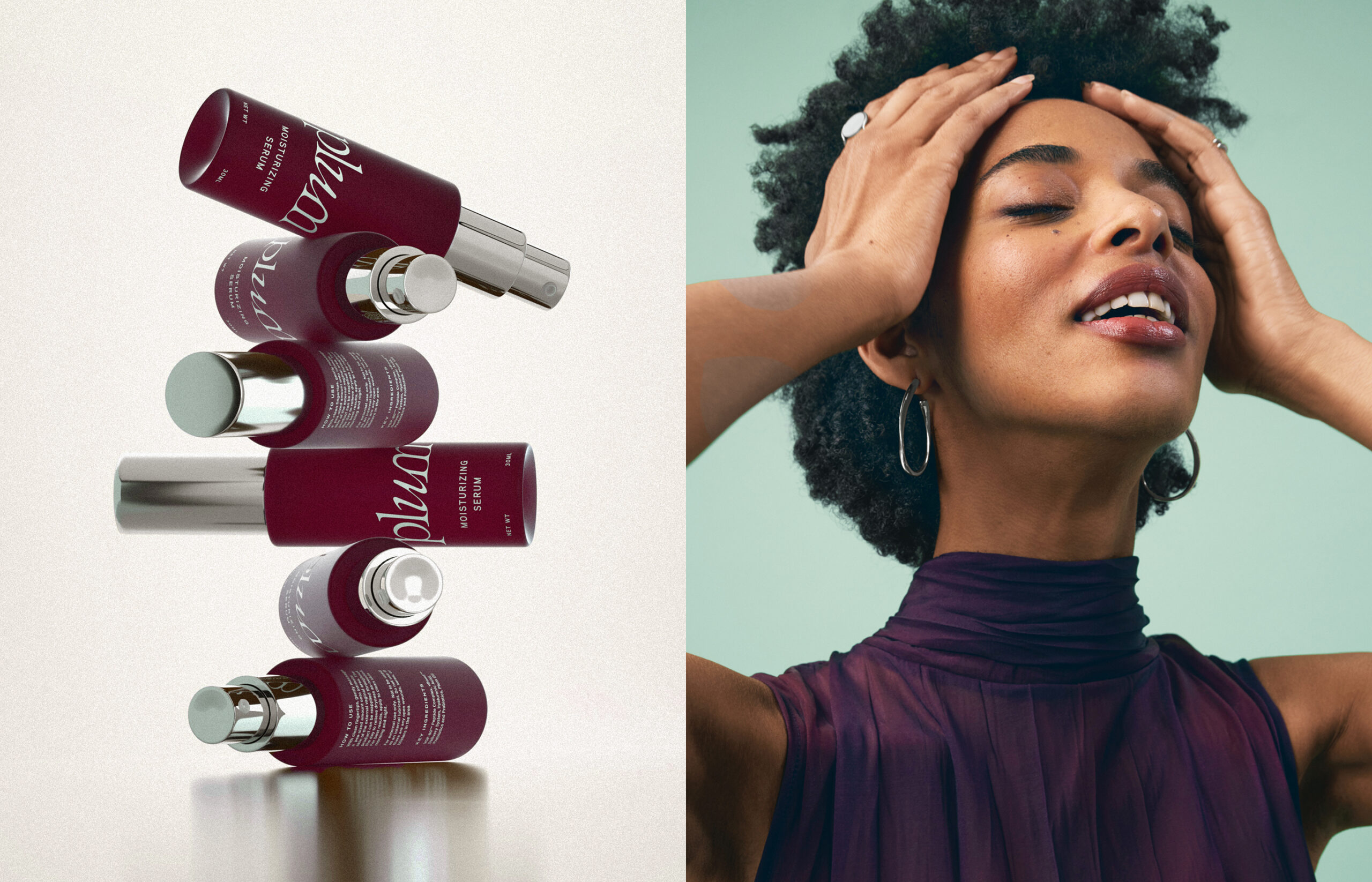
In our strategy work we framed this as a choice of emphasis between two models. The platform model makes the system the hero: everything in one place, nothing to juggle. The partner model makes the relationship the hero: a guide who stays, knows her story and changes with her. The strongest telehealth brands acknowledge both truths. Women need systems that actually work and care that feels personal.
In weight management, continuity may be the strongest differentiator available. A GLP-1 telehealth provider we worked with built its model around one clinician staying with the patient over time, with ongoing access for questions about dosing and side effects. Our job was to make that promise clear on every page, because in a category crowded with one-and-done prescribing, knowing who is looking after you is a meaningful reason to believe.
What this means for your brand
- Decide deliberately whether your brand leads with the platform or the partner, and keep that emphasis consistent across channels.
- If your care model includes continuity, such as a dedicated clinician, ongoing check-ins or a shared history, make it a headline and not a footnote.
- Where continuity can't be guaranteed, let the brand's voice, memory and service standards be the constant instead.
Candor beats clinical coldness and wellness softness.
4. Say it plainly: candor beats clinical coldness and wellness softness
Healthcare brands have long made one of two mistakes with women. Some over-clinicalize, with cold language, jargon and sterile imagery. Others over-simplify, with soft-focus wellness, euphemism and cheerleading. Both leave women feeling unheard.
The voice that earns trust sits between them. We call it the unfiltered expert. It is bold and relentlessly clear, it names the things people avoid saying, and it is visibly grounded in clinical knowledge. It is frank without being brutal and warm without talking down.
In practice, we often use a simple structure. Lead with boldness, then shift to clarity. A sharp, candid headline earns attention. The body copy then does the work of trust, with evidence-based information, plain explanations and clear next steps.
As telehealth brands grow up, their voice has to grow with them. A voice that works for a 24-year-old seeking fast, private care has to stretch to a 45-year-old looking for clinical depth in midlife. That doesn't mean getting softer. It means gaining depth and authority without losing the edge.
What this means for your brand
- Write a "we are / but never" voice guide. For example: direct, but never edgy for its own sake; smart, but never buried in jargon.
- Name conditions and symptoms plainly. Euphemism signals that the brand shares the stigma it claims to remove.
- Flex tone by channel and audience. Be culturally fluent on social, clear and reassuring on the website and more rigorous with partners, all in one recognizable voice.
5. Transparency is the new credibility, especially in GLP-1 care
Weight-management telehealth has grown fast, and consumer skepticism has grown with it. Women considering GLP-1 treatment face a flood of competing offers, unclear pricing, confusing product distinctions and marketing that too often promises more than any provider responsibly can.
In this setting, transparency is not only a compliance issue. It is the brand. Our strategy work with a GLP-1 provider centered on a voice that speaks like a trusted guide, blends clinical credibility with warmth, speaks plainly about benefits, risks and realities, and does not sugarcoat or overpromise.
Transparency shows up in concrete, checkable ways: pricing you can understand before you start a quiz, an honest description of what the care model includes (and what it does not, such as whether a video visit is actually needed), clear information about eligibility, and side-effect guidance that treats the patient as an informed adult.

The discipline cuts both ways. Results-led messaging such as before-and-after stories, goal-tracking visuals and outcome headlines is powerful in this category. That is exactly why it has to be handled with care, with appropriate context, individual-results disclaimers and a clear line between patient stories and clinical claims.
What this means for your brand
- Make pricing, eligibility and what's included visible early. Hidden details read as hidden motives.
- Build claims review into the creative process from the start, not at the final sign-off. Every outcome statement needs a source and context.
- Show your care model accurately in imagery and copy. Don't suggest services, access or results the patient won't actually get.
6. Escape the sea of sameness without losing clinical credibility
When we audited the landscape across women's health, menopause, telehealth, longevity, GLP-1, diagnostics, supplements and sexual health, one pattern was clear. As more brands enter the market with similar promises of empowerment, access and personalization, a sea of sameness has formed. Soft colors, generic messages and interchangeable offerings blur together.
Several visual approaches recur across the category, including "safe and clear" minimalism, warm human-centered photography, gender-neutral systems with character and immersive science storytelling. Each can work, but none is ownable on its own.
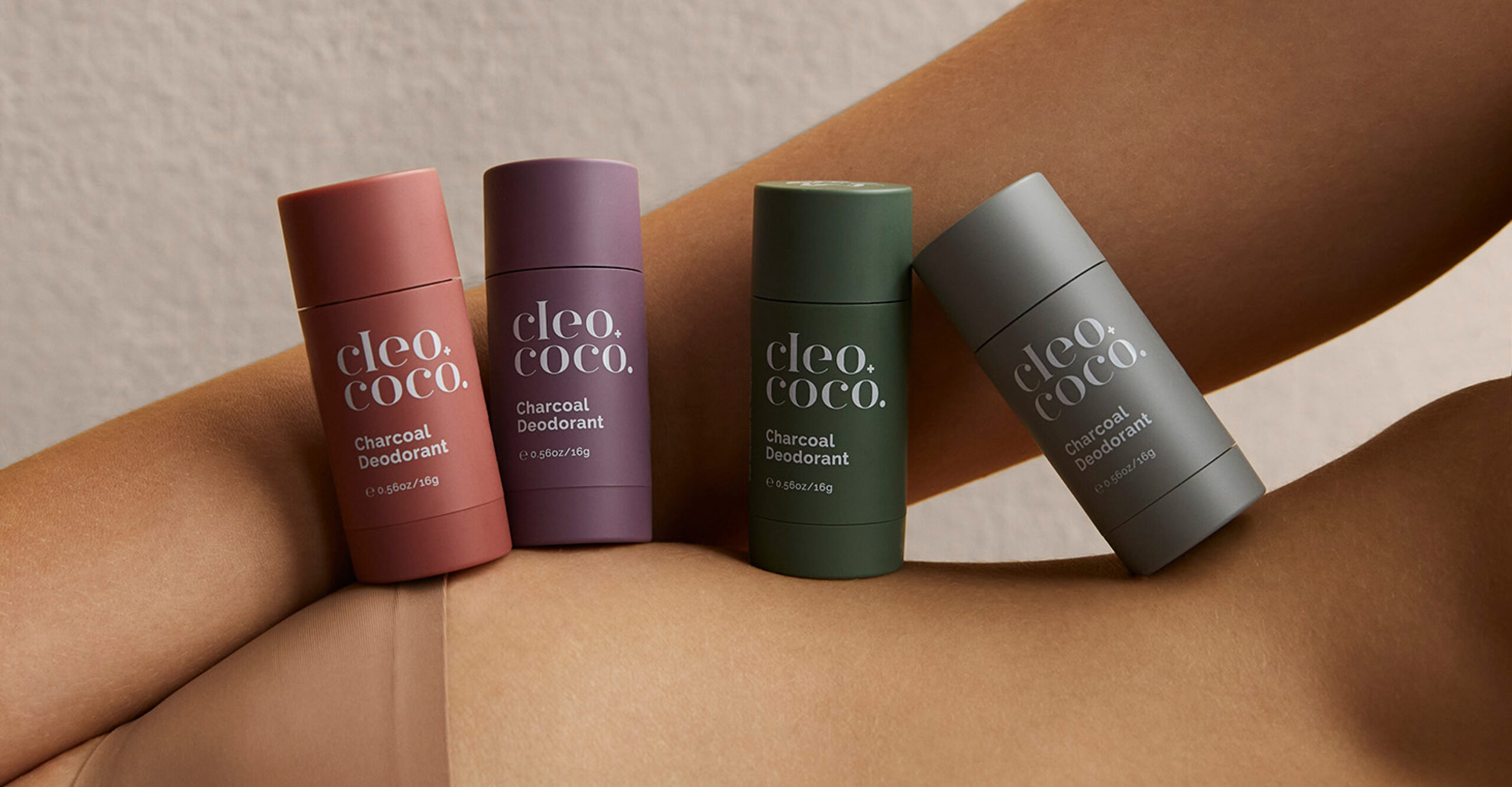
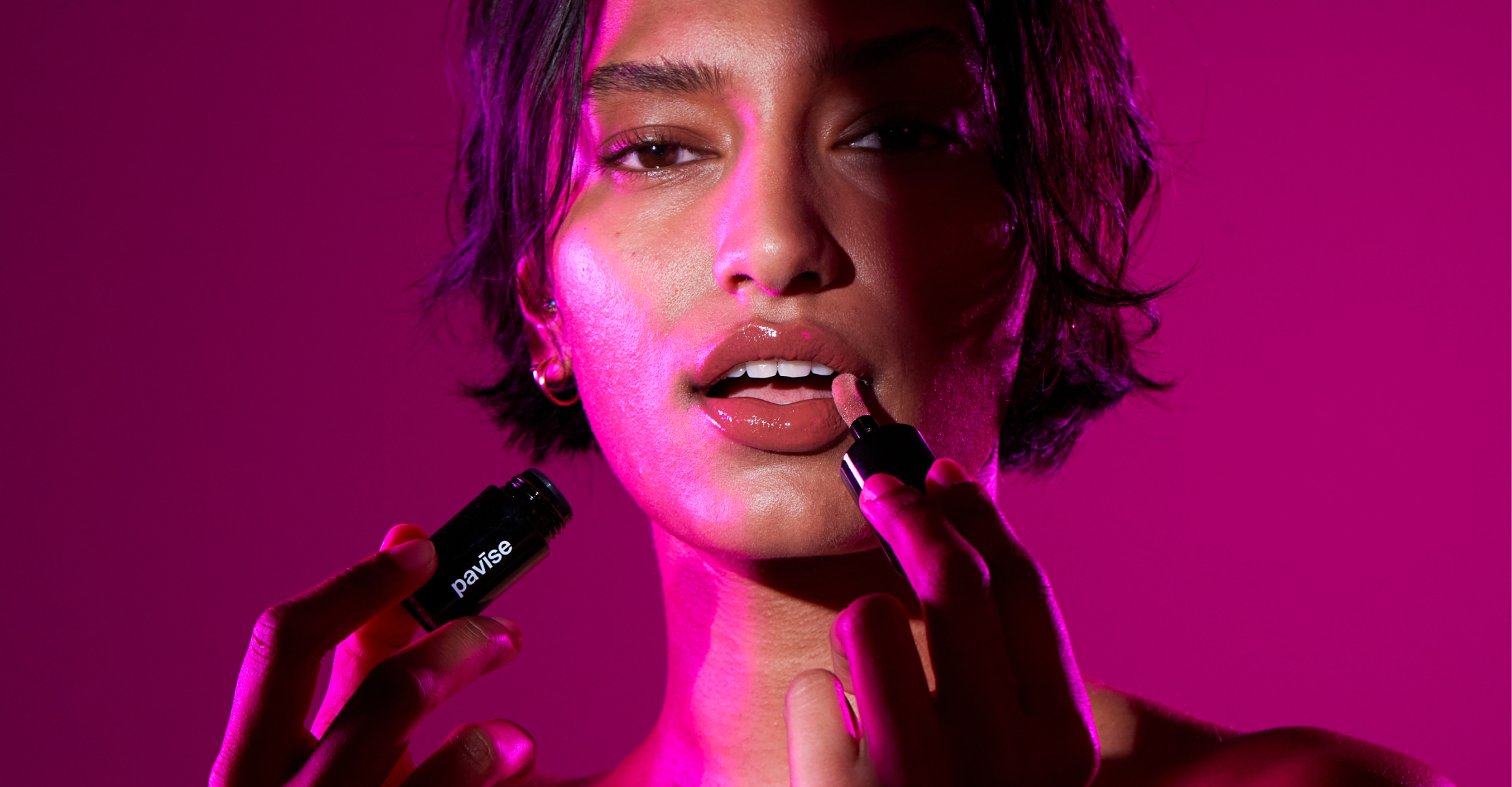
The brands that break out combine emotional resonance with credibility signals. In our work that has meant bolder, more distinctive color. It has meant candid, intimate photography that looks like real women rather than stock models. It has also meant graphic systems that do a job, such as linework and annotations that explain data, organize services and guide navigation, alongside clean, legible typography that reads as trustworthy.
There's another audience to consider. As telehealth brands move into partnerships with health systems, clinics and employers, the identity has to hold up in institutional settings too. The goal is a brand that is distinctive enough for her feed and credible enough for a partner's deck.
What this means for your brand
- Audit the competitive landscape visually, category by category, before choosing a direction. If your moodboard looks like theirs, keep going.
- Use design to build clarity and navigation, not only atmosphere. A system that helps her find her way is itself a trust signal.
- Choose photography that reflects real, specific women at different life stages. Being seen is the first step to trusting.
Education is the front door.
7. Education is the front door, and often the strongest message
Women arrive at telehealth brands with questions before they arrive with a diagnosis. Is this perimenopause? Why do my symptoms keep coming back? Is this treatment right for me? Many are actively searching for clarity and validation after being told their symptoms are "normal."
That makes education the most valuable content a women's health brand can publish, and in our experience it is among the most effective marketing too. Across campaign work for a women's telehealth platform we partnered with, creative that was educational, science-backed and led by symptoms consistently ranked among the strongest performers. It beat messaging that led with the brand or the offer.
Education also builds authority. More women now start their health research with search engines and AI assistants, so brands that publish clear, credible, well-structured information about symptoms and conditions are the ones that show up with authority. Brands that don't are labeled by others, often as narrower than they really are.
Education also has to connect to action. Women don't want content for its own sake. They want to understand what is happening and what to do next.
What this means for your brand
- Build an education system organized by symptom and life stage, not only by product.
- Write for how women actually search, in plain-language questions, and structure content so it is easy for both search engines and AI tools to cite.
- Link every piece of education to a clear, low-pressure next step, such as a quiz, a consult or a guide.
The SMAKK lens: how we approach it
SMAKK is a female-founded branding and marketing agency based in New York. Since 2011 we have specialized in health, wellness, femcare and consumer brands. In women's health that focus is personal. As an all-female team, we bring first-person perspective to every decision.

Our approach to digital health brands follows a consistent arc:
- Find the real white space. We map the brand's DNA, the competitive and adjacent landscape, the cultural forces shaping the category and the audience's need-states. That tells us where the brand can lead, not just blend in.
- Build a platform that grows with her. We develop positioning and messaging systems that work for an urgent first visit and for years of ongoing care. They cover manifesto, values, voice, a headline bank, and condition and category language.
- Design for trust and distinction. We create visual identities that are emotionally resonant and clinically credible, and that are practical enough to guide navigation across web, product and partnership touchpoints.
- Bring it to market. We turn strategy into websites, quiz and onboarding flows, lifecycle email and 360 campaigns across paid, social, influencer and out-of-home, with claims discipline built in from the start.
Our work in the category includes brand strategy, visual identity, messaging and a brand campaign for Wisp, and a visual identity evolution and website UX and design for Freya Meds.
Methodology
This report draws on SMAKK's brand strategy, messaging, visual identity, web and campaign engagements with women's telehealth and GLP-1 weight-management providers in 2025–2026. That work included competitive landscape audits across more than a dozen adjacent categories, audience and need-state development, voice and messaging development, and review of in-market creative performance. We also used the third-party research cited in the report.
Client-specific findings have been aggregated and anonymized into category-level insights. We do not disclose client performance metrics, pricing, patient data or unreleased plans. This report is for marketing and brand strategy purposes only and is not medical advice.